Beating the December Supply Chain Rush for Your Corporate Event
November is slipping away quickly, and the holiday season is already knocking on the kitchen door. If you are an event planner or office manager, you already know the intense pressure of organizing a memorable, flawless end-of-year gathering for your team. But from a culinary perspective, there is a hidden timeline you need to understand. Why we recommend finalizing your December corporate dinner menu before Thanksgiving comes down to one critical factor: surviving and beating the post-Thanksgiving holiday rush.
As soon as the Thanksgiving holiday concludes, the entire hospitality industry shifts into overdrive. National distributors get slammed with orders, local farms are pushed to their absolute limits, and securing high-quality, local farm-to-table ingredients becomes exponentially harder with each passing day. The competition for premium yields is fierce.
A culinary strategy, not an administrative rule: Setting a firm Thanksgiving deadline to finalize your menu is not an arbitrary administrative hurdle designed to make paperwork easier. It is a necessary, proactive culinary strategy. By locking in your choices early, you empower the kitchen to secure the finest ingredients before the regional supply chains become overwhelmed. This early decision point is the single most effective way to guarantee that the meal your team sits down to in December matches the high expectations you set in November.
How the Winter Population Surge Impacts Local Sourcing
To understand why the supply chain tightens so dramatically in late fall, you have to look at the unique climate and demographic shifts happening along the Gulf Coast. The transition into winter brings the peak snowbird season to Bradenton, massively increasing the local population almost overnight. As the weather cools and seasonal residents return, the demand for dining out and catered events skyrockets.
This sudden population influx places immense strain on both the local hospitality sector and regional agricultural supply chains. Bradenton FL local agricultural suppliers suddenly face double or triple the demand for their winter harvests. A field of seasonal winter greens or a daily catch of fresh Gulf seafood can only stretch so far when every restaurant and caterer in the county is placing massive holiday orders simultaneously.
The impact of heightened competition:
- Reduced availability: Premium local yields—from heirloom root vegetables to specific cuts of sustainably raised meats—sell out weeks in advance.
- Strained logistics: Delivery schedules become packed, meaning last-minute orders often cannot be physically transported to the kitchen in time.
- Quality compromises: When local farms sell out, kitchens without advance reservations are forced to look to secondary, often lower-quality, markets.
Emphasizing early menu confirmation allows the culinary team to reserve these top-tier ingredients before regional demand peaks. When you finalize your menu before the Thanksgiving cutoff, you are effectively putting your event at the front of the line for the best our local agricultural community has to offer.
The Farm-to-Table Difference vs. Mass-Produced Catering
Authentic farm-to-table dining requires a significantly longer lead time than standard, mass-produced catering. This culinary focus is our primary differentiator, and it is exactly why early lock-ins are required—true quality takes proactive, deliberate planning.
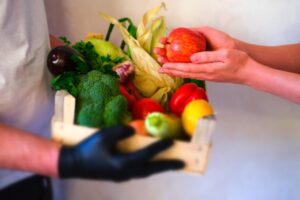
Mass-produced catering operations often rely on national mass distributors and deep freezers. If a client orders a standard chicken dish three days before an event, a national supplier can simply pull another box of frozen, pre-portioned poultry from a massive warehouse. Farm-to-table sourcing does not work that way. Local farmers and fishers operate on natural seasonal harvest calendars, not unlimited warehouse inventory.
Finalizing menus early empowers chefs to collaborate directly with local partners for the absolute best seasonal picks. For instance, when we are sourcing Gulf seafood and local seasonal ingredients, we have to account for nature’s schedule and the daily realities of the local catch. Securing specialized regional items before they are sold out to larger commercial buyers requires foresight and committed contracts.
| Feature | Authentic Farm-to-Table Sourcing | Mass-Produced Catering |
|---|---|---|
| Ingredient Origin | Bradenton FL local agricultural suppliers and Gulf fishers | National distribution centers and frozen warehouses |
| Lead Time Required | 4 to 6 weeks (Pre-Thanksgiving for December events) | Often just a few days to a week |
| Menu Flexibility | Driven by seasonal harvests and daily farm yields | Standardized menus available year-round regardless of season |
| Quality Assurance | Peak freshness, harvested specifically for your event | Standardized, heavily processed, or previously frozen items |
Avoiding the Dreaded ‘Forced Substitution’ During the Holidays
There is a massive spike in commercial food orders that occurs immediately after the Thanksgiving holiday. As restaurants prepare for December parties, New Year’s Eve bashes, and regular winter dining, the volume of food moving through the supply chain reaches its annual peak. This is when the risk of the “forced substitution” becomes a reality for late planners.
What is a forced substitution? A forced substitution happens when a chef has to replace a premium, locally sourced ingredient with a generic, mass-market alternative simply because the original item is completely sold out. For example, if a menu calls for a specific variety of locally grown winter squash, but the order is placed too late, the kitchen might be forced to substitute a generic, out-of-state variety that lacks the intended flavor profile and texture.
Late planning can deeply compromise the chef’s original vision for a dish. A carefully composed plate relies on the harmony of specific ingredients. When you start swapping out key components at the last minute during the post-Thanksgiving holiday rush, the overall quality of the dining experience inevitably drops.
Your culinary insurance policy: You can completely avoid this scenario. A pre-Thanksgiving menu lock-in acts as a foolproof insurance policy against these last-minute culinary compromises. By confirming your selections early, you guarantee that the ingredients on your plate are exactly what the chef intended.
Behind the Scenes: Our Culinary Sourcing Timeline
To understand why the Thanksgiving cutoff is so critical, it helps to look at the exact timeline our culinary team follows once a corporate dinner menu is finalized. This is not a passive process; the moment you say “yes” to a menu, a complex sequence of local sourcing begins.
- Week 1 (Pre-Thanksgiving): The menu is officially finalized. We calculate the exact ingredient requirements for your guest count and send initial projections to our network of Bradenton FL local agricultural suppliers. This alerts the farmers to reserve specific crops for your date.
- Week 2 (Thanksgiving Week): While the rest of the country is focused on turkey, our culinary team is locking in hard contracts for specialty items, seasonal greens, and premium proteins. This guarantees our allocation before the broader market surge hits.
- Week 3 (Early December): Yields are confirmed based on the actual winter agricultural harvest. We communicate with local partners to verify the size and quality of the incoming produce and adjust our preparation schedules accordingly.
- Week 4 (Event Week): Fresh, peak-season ingredients are delivered exactly when needed. Because everything was reserved weeks in advance, the kitchen can focus entirely on expert preparation and flawless presentation, rather than scrambling to find missing ingredients.

Elevating Dietary Accommodations with Advance Planning
Managing dietary restrictions—including vegan, gluten-free, or severe allergy-specific requests—adds a significant layer of complexity to large corporate groups. When planning a menu for fifty or a hundred people, you are guaranteed to have guests who require specialized meals. Early menu lock-ins allow for high-quality, thoughtful dietary accommodations rather than rushed, generic alternatives.
Sourcing premium alternative ingredients requires the exact same early deadlines as the main menu. If a guest requires a specialized gluten-free artisan bread or a complex plant-based protein, those items cannot be magically conjured on the day of the event. They must be sourced, ordered, and prepared with the same level of care as the rest of the meal.
The risk of late additions: When last-minute dietary additions are thrown at a kitchen during the chaotic post-Thanksgiving holiday rush, the results are rarely spectacular. Chefs are often forced to quickly assemble a generic, uninspired plate from whatever safe ingredients happen to be left in the pantry. A plain salad and steamed vegetables is not a celebratory holiday meal.
Proactive planning ensures that guests with dietary restrictions receive a meal of equal culinary caliber to the main menu. When you finalize your headcount and dietary needs before Thanksgiving, our chefs have the time to craft specialized dishes that make every single guest feel valued and included.
Frequently Asked Questions About Holiday Catering Deadlines
Why do caterers need final menus so early?
Early deadlines allow chefs to contract with local farms and vendors before seasonal supplies run out. By securing ingredients from Bradenton FL local agricultural suppliers well in advance, the culinary team guarantees quality control. This proactive approach completely prevents the need for forced ingredient substitutions when the regional supply chain tightens in December.
How far in advance should you finalize a catering menu?
The standard industry best practice is to finalize large event menus 4 to 6 weeks in advance. However, for peak December dates, finalizing before Thanksgiving is highly recommended. This specific timeline ensures you beat the massive surge in commercial food orders that happens at the end of November.
When should you start planning a corporate holiday party?
Planning for a December corporate event should ideally begin in early fall. Venue selection, budget approval, and initial menu discussions should be happening by October. This gives your planning committee ample time to review options, gather dietary restrictions from the team, and meet the crucial pre-Thanksgiving menu deadline without stress.
Can we make small menu adjustments after the Thanksgiving deadline?
While minor headcount adjustments (adding or subtracting a few guests) can often be accommodated close to the event date, changing core dishes later is highly risky. Swapping a main course or adding complex new dietary requirements in December risks ingredient unavailability. It is always better to over-communicate needs early rather than attempting to pivot the menu during the holiday rush.
How does the local winter harvest impact our menu choices?
Florida’s late fall and winter harvest provides incredibly unique seasonal greens, citrus, and root vegetables that define exceptional local dining. Because these items are in high demand across the entire Gulf Coast during snowbird season, they require early reservation. Planning your menu around these seasonal peaks guarantees the freshest, most vibrant flavors for your event.
Guarantee a Flawless December Event by Finalizing Your Menu Today
Organizing a corporate dinner should be an exciting way to celebrate your team’s hard work, not a source of logistical stress. By understanding the tangible culinary benefits of beating the post-Thanksgiving holiday rush, you can take control of your event’s success. Early planning guarantees access to the best local ingredients, empowers the culinary team to accommodate complex dietary needs with elegance, and ensures absolutely zero last-minute forced substitutions.
Do not let the busy fall season push your event planning to the back burner. Guarantee a flawless, memorable December dining experience by getting ahead of the supply chain curve. Reach out to our event coordination team today to review seasonal options, secure your premium selections, and finalize your corporate dinner menu before the holiday rush begins.