If you’ve got a reservation coming up and you’re not sure what to wear, when to sit, or how to handle the extra forks, you’re not alone. Most people don’t grow up practicing fine dining etiquette. It’s not something you learn unless someone shows you, and that’s exactly why it feels intimidating the first few times.
The good news: fine dining in Bradenton, FL doesn’t have to feel stiff or formal in the way people imagine. Good etiquette is really just a handful of habits that help everyone at the table, and around you, have a better evening. Once you know them, you stop thinking about them.
Here’s what actually matters, in the order you’ll need it.
What to Wear
“Fine dining” doesn’t always mean a suit and tie. Dress codes vary a lot by restaurant, so the safest move is to check the restaurant’s website or call ahead if you’re unsure. As a general rule:
- Business casual or “smart casual” covers most fine dining restaurants: collared shirts, blouses, dress pants, skirts, or a nice dress.
- Save athletic wear, flip-flops, and heavily distressed clothing for other occasions.
- Layers help. Dining rooms with air conditioning (and, at restaurants with outdoor seating, patio temperature swings) can run cooler or warmer than you expect.
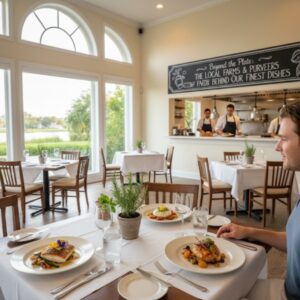
If you’re dining somewhere with an outdoor patio, like our lush garden patio at enRich Bistro, dress with the weather in mind. Florida evenings can shift from warm to breezy quickly, especially near sunset.
When to Arrive
Arrive on time, but not dramatically early. Most fine dining restaurants seat reservations within a short grace window (often 10 to 15 minutes), and arriving too early can mean waiting at the bar since your table may still be finishing its previous seating.
If you’re running late, call the restaurant. A quick heads-up lets them hold your table or adjust the timing, instead of releasing your reservation to a walk-in.
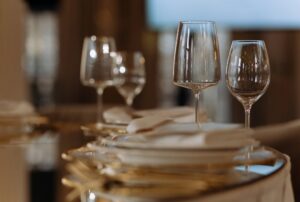
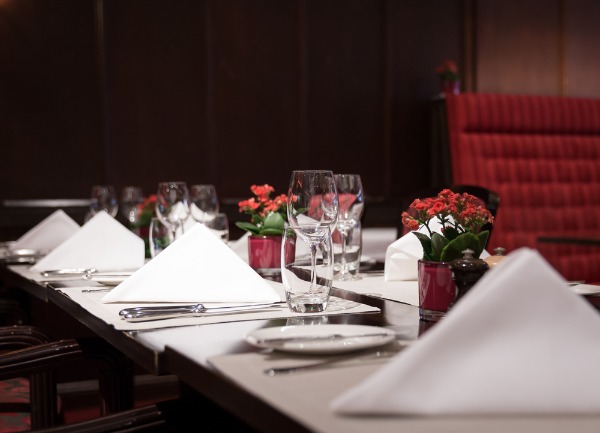
How to Handle the Table Setting
This is the part that stops most people cold, and it’s simpler than it looks.
Napkin: Unfold it and place it on your lap as soon as you sit down, not after the first course arrives. If you leave the table mid-meal, set it on your chair. At the end, leave it loosely to the left of your plate, not crumpled on top of it.
Silverware: Work from the outside in. The fork farthest from your plate is for your first course (usually salad or appetizer), and each course moves you one utensil inward. If you’re not sure which piece to use, watch your host or follow a beat behind whoever ordered first.
Bread plate: It’s the small plate to your upper left. A common mix-up is using your neighbor’s bread plate by mistake. Remembering “left is bread, right is drink” solves this before it happens.
Glassware: Water glass is directly above your knife. Wine glasses sit to the right of that, arranged in the order they’ll be used.
Signaling you’re finished: Place your knife and fork together, parallel, at the 4 o’clock position on your plate. Servers are trained to read this as “done,” so you won’t need to say anything or push your plate away.
Ordering and Pacing
Fine dining meals are built around courses, and the pacing is intentional. Rushing the server to bring everything at once, or asking for separate checks with a large group without a heads-up, can throw off the kitchen’s timing for everyone at the table.
A few habits that help:
- Order in the sequence the menu suggests, unless you tell your server you’d like courses combined or timed differently.
- If you have a food allergy or dietary restriction, mention it when you order, not after the dish arrives. Kitchens that make dishes from scratch, like ours, can often adjust ingredients on request, but they need the notice before cooking starts.
- Let the table’s slowest eater set the pace. Courses are typically cleared once everyone at the table has finished.
Phones, Conversation, and Volume
This is less about strict rules and more about shared space. Fine dining rooms tend to be quieter than casual restaurants, so conversations, laughter, and phone notifications carry further than they would somewhere louder.
Simple habits go a long way:
- Silence your phone, or keep it in a bag or pocket rather than on the table.
- If you need to take a call, step outside or away from the dining room.
- Photos of your food are common and welcome at most restaurants. Just be quick about it and skip the flash, especially if other tables are nearby.
Handling the Bill
If you’re dining with a large group, it’s worth asking your server whether gratuity is already included in the bill. Many restaurants add it automatically for parties of six or more, so a quick question upfront avoids any confusion when the check arrives.
If you’re hosting, it’s customary to handle the check discreetly rather than making a show of it at the table.
Private Dining and Special Occasions
If you’re planning something bigger, a birthday, an anniversary, a business dinner, or an engagement, private dining space is worth asking about directly when you book. A private room or semi-private area gives you more control over timing, menu selection, and noise level than a table in the main dining room. It’s also the easier route if you want to request a custom menu, coordinate a specific arrival time for a surprise, or keep a business conversation confidential.
When you reach out, be ready to share your guest count, preferred date, and whether you have any must-have dishes or dietary needs for the group. The earlier you ask, the more flexibility the restaurant usually has to work with.
A Few Small Things People Forget
- Seating yourself: At most upscale restaurant settings, wait to be seated rather than choosing your own table, even if you see an open one.
- Standing for greetings: If someone joins your table partway through the meal, a brief standing greeting is still appreciated, though far less rigid than it used to be.
- Sending food back: If something’s wrong with a dish (temperature, a missed allergy note, an order mix-up), it’s fine to mention it. Good restaurants want to know and fix it. There’s a difference between a genuine issue and simply changing your mind after the fact.
None of this is about performing perfectly. It’s about making the evening comfortable for you, your table, and the people around you, so the focus stays on the meal and the company.
Frequently Asked Questions
Do I need to make a reservation for fine dining?
Yes, in most cases. Fine dining restaurants often have limited seating and staff the kitchen based on expected reservations, so walk-ins aren’t guaranteed a table, especially on weekends.
What if I have a dietary restriction or allergy?
Mention it when you book or when you order, before the kitchen starts cooking. Restaurants that prepare dishes from scratch can usually accommodate substitutions more easily than those working from pre-made components.
Is it rude to ask questions about the menu?
No. Asking your server about preparation, ingredients, or portion size is normal and expected. It’s part of how servers help you choose a dish you’ll actually enjoy.
How far in advance should I book a private dining space?
It depends on your date and guest count, but reaching out one to two weeks ahead gives the restaurant the best chance to accommodate your preferred timing and menu requests, especially around holidays and weekends.
Come Sit Down and Let Us Take Care of the Rest
Here’s the truth: the best fine dining nights aren’t the ones where every rule was followed perfectly. They’re the ones where you stopped thinking about the fork and just enjoyed the meal. That’s what we want for you at enRich Bistro. We’re a family-owned restaurant, born and raised right here in Bradenton, and we cook the way our family always has, everything made from scratch, with ingredients sourced close to home.
Come relax on our garden patio, let our team take care of the details, and spend the evening on good food and good company instead of what fork to pick up next. Give us a call to book your table, or ask us about a private dining space for your next celebration. We’d love to have you.